
Foraging is a peaceful way to harvest free and delicious food. As much as I encourage this practice, I feel it is natural and courteous to warn and guide new scavengers toward safe and healthy searches. Threats vary from plant to plant; sometimes it's neighboring plants, sometimes it's similar features. One slip up could result in severe illness or even death! So be adventurous, but stay smart.
Okay firstly, buy a guide for wild goods. I've got, like, ten. You can buy an edition which specifies on greens, fruits, mushrooms, and some combine all three. A proper guide will include where to find your desired plants, when they're gowing, what they look like, and also include warnings as to what could possibly go wrong when scavenging.
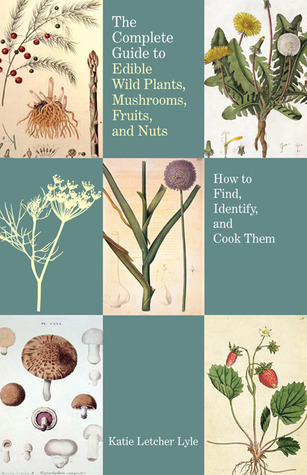
Some titles I'd recomend is The Complete Guide to Edible Wild Plants, Mushrooms, Fruits, and Nuts by Katie Letcher Lyle. This is a great book for beginners; it's simple to follow the info! Other titles I have are usually for identifying mushrooms, but this is an absolute MUST with mushrooms. There are thousands of different mushroom species. If you find your self lost in the woods I wouldn't go looking for mushrooms as food, unless you're experienced, it's so easy to get confused.

This seems like an exciting practice but I'd always be nervous about those "slip ups" especially if I was out in the middle of nowhere. Guess that's why these books are so handy!
ReplyDelete